
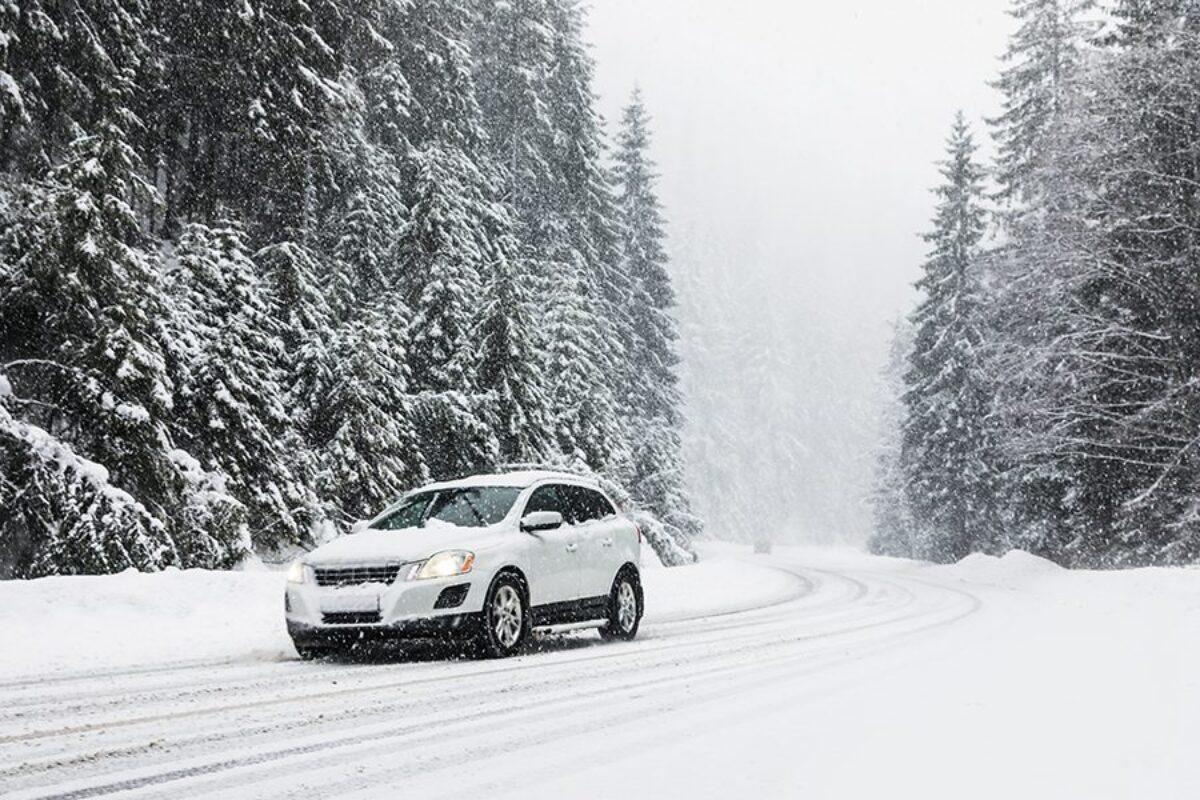
Why Winter Tires Matter More Than You Think
When temperatures drop and snow begins to fall, your vehicle's safety depends entirely on the rubber meeting the road. Winter tires aren't just marketing hype – they're engineered with specialized rubber compounds that remain flexible in freezing temperatures, while aggressive tread patterns bite into snow and ice for maximum traction. Think of it like wearing snow boots instead of sneakers in a blizzard. All-terrain tires might handle light snow, but when conditions get serious, dedicated winter tires can mean the difference between arriving safely and spending hours stranded in a freezing vehicle. Smart car buyers know that investing in proper winter tires isn't just about performance – it's about protecting your investment and your family.
1. Michelin X-Ice Snow - Premium Performance Leader
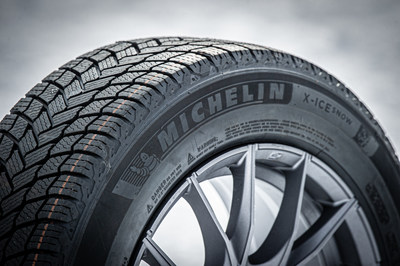
The X-Ice Snow represents Michelin's latest engineering breakthrough in winter tire technology. This successor to the popular X-Ice Xi3 delivers improved ice braking performance and enhanced resistance to hydroplaning in slushy conditions. The tire features an advanced rubber compound that maintains flexibility in extreme cold while offering surprisingly normal handling characteristics on dry pavement. Independent testing shows the X-Ice Snow provides exceptional longevity, potentially lasting one additional winter season compared to competing brands. For drivers who demand the best combination of safety, performance, and value, this tire consistently delivers in all winter conditions from light snow to heavy ice.
Pros
- Superior ice braking performance
- Excellent dry weather handling
- Extended tread life durability
- Reduced road noise levels
Cons
- Premium pricing point
- Limited availability in some sizes
- Slower warm-up time in extreme cold
- Slightly firmer ride quality
2. Nokian Hakkapeliitta R5 - Arctic Engineering Excellence

Born in Finland where winter driving is a way of life, the Hakkapeliitta R5 represents the pinnacle of studless winter tire technology. This tire utilizes an ultra-aggressive directional tread pattern combined with a high-silica rubber compound that maintains grip in the most challenging conditions. The R5 features thousands of biting edges and advanced sipe technology that literally claws through deep snow and ice. While the premium price reflects its uncompromising performance, drivers who face extreme winter conditions will find no better option for maintaining control and confidence.
Pros
- Unmatched deep snow traction
- Exceptional ice grip without studs
- Proven Arctic performance heritage
- Outstanding lateral stability
Cons
- Highest price category
- Increased road noise
- Reduced fuel economy
- Aggressive tread wear on dry roads
3. Bridgestone Blizzak WS90 - Proven Snow Champion
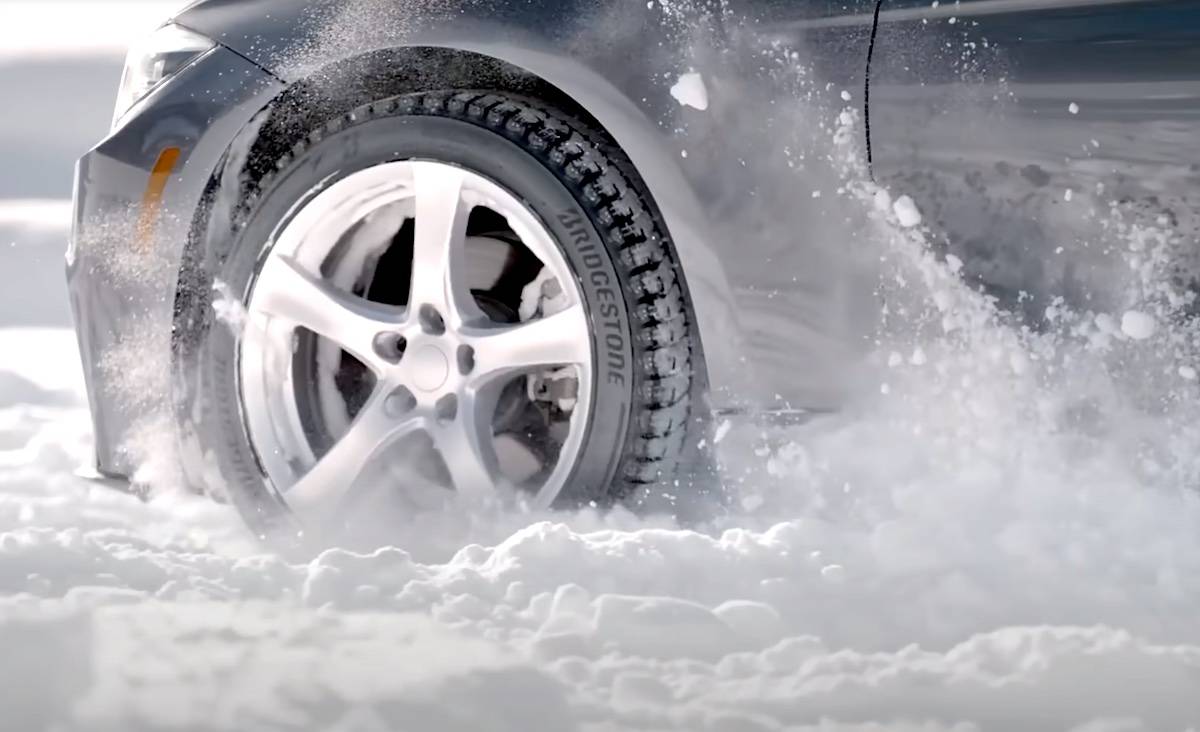
The Blizzak WS90 builds upon Bridgestone's decades of winter tire expertise, improving the already impressive WS80 with enhanced tread design and updated rubber compounds. This tire excels in deep snow conditions, offering confident traction and predictable handling that inspires driver confidence. The WS90 provides significantly improved tread life over its predecessor while expanding size availability for more vehicle applications. Real-world testing confirms exceptional snow performance, though some drivers may notice slightly higher road noise compared to premium competitors.
Pros
- Excellent deep snow performance
- Improved tread life durability
- Wide size availability
- Predictable handling characteristics
Cons
- Higher road noise levels
- Moderate ice performance
- Limited dry weather capability
- Slower steering response
4. Michelin X-Ice Snow SUV - Heavyweight Winter Warrior
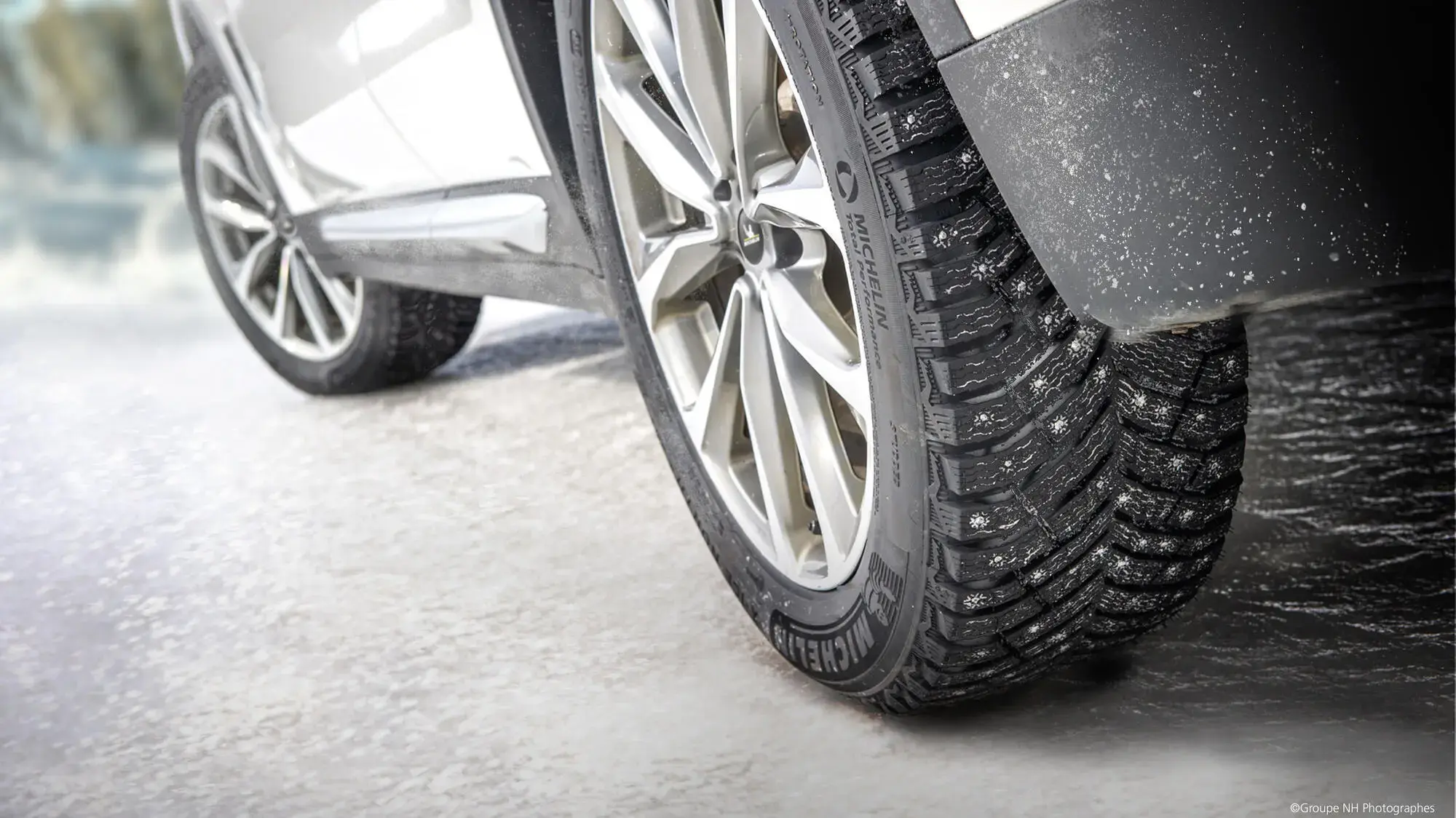
Specifically engineered for SUVs and crossovers, the X-Ice Snow SUV addresses the unique challenges of winter driving in heavier vehicles. The tire features reinforced construction to handle increased loads while maintaining the advanced rubber compounds that make Michelin winter tires legendary. Whether navigating snow-covered suburban streets or climbing mountain passes, this tire provides the reassuring traction and stability that SUV drivers demand. The specialized tread pattern effectively channels snow and slush away from the contact patch while delivering impressive longevity for a winter-specific tire.
Pros
- SUV-specific construction
- Excellent snow channeling
- Strong sidewall durability
- Balanced all-condition performance
Cons
- Premium SUV pricing
- Heavier than car equivalents
- Moderate deep snow grip
- Limited performance tire sizes
5. Continental VikingContact 7 - Eco-Friendly Innovation
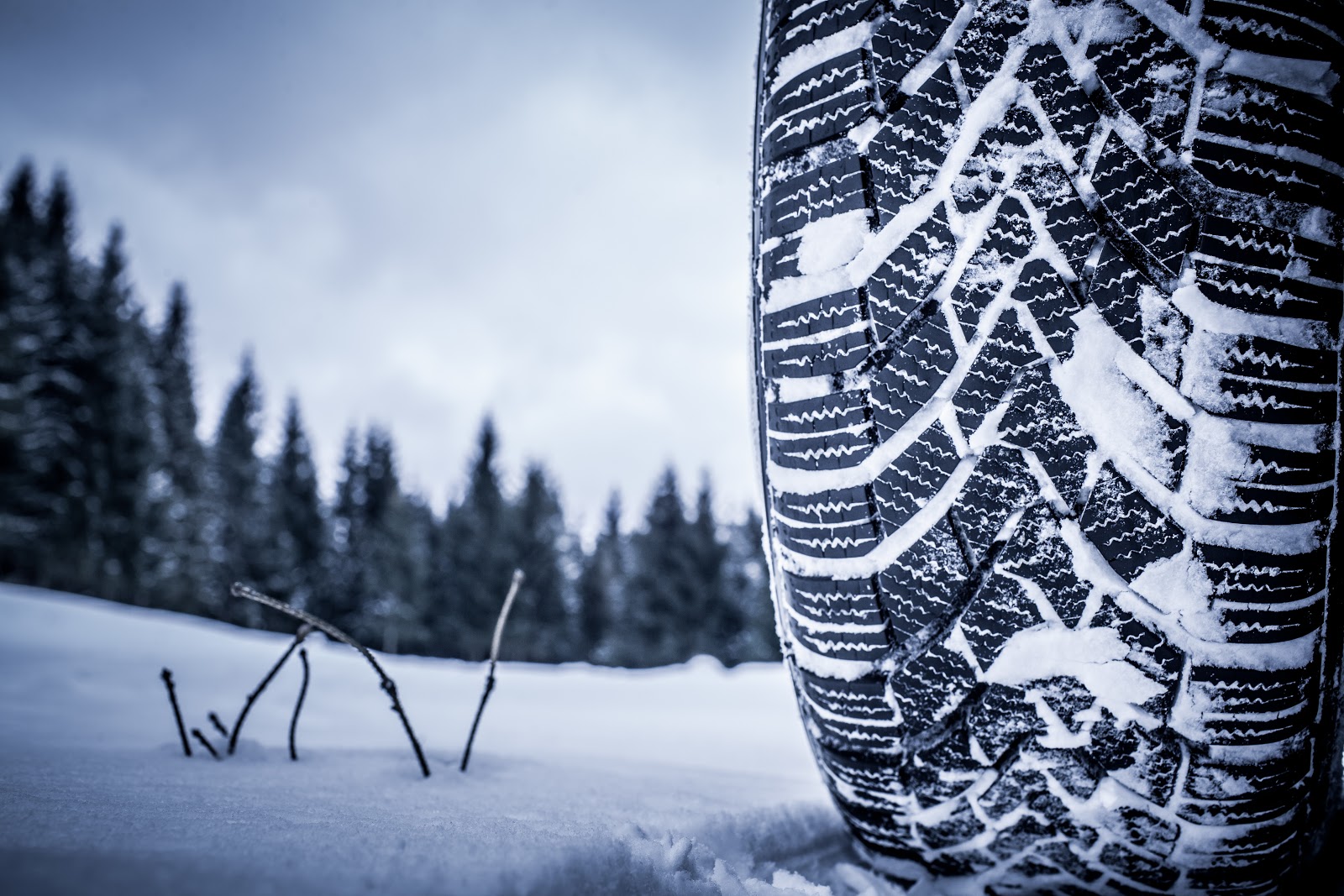
Continental's VikingContact 7 represents a breakthrough in environmentally conscious winter tire design without sacrificing performance. The tire incorporates canola oil in its rubber compound, helping maintain flexibility in extreme cold while reducing environmental impact during manufacturing. Countless biting edges and advanced sipe patterns provide exceptional snow traction, while the innovative compound delivers impressive ice grip. This tire offers excellent value for drivers seeking premium winter performance at a more accessible price point.
Pros
- Environmentally friendly compound
- Excellent value pricing
- Superior snow traction
- Wide vehicle compatibility
Cons
- Limited premium size availability
- Moderate ice braking
- Slightly higher wear rates
- Road noise in larger sizes
6. Bridgestone Blizzak DM-V2 SUV - Heavy-Duty Snow Fighter

Purpose-built for SUVs and light trucks, the Blizzak DM-V2 SUV combines Bridgestone's proven winter technology with robust construction designed for heavier vehicles. This tire features a directional tread pattern that effectively evacuates snow while providing confident traction in challenging conditions. The reinforced sidewall construction handles the unique stresses of SUV driving while maintaining the flexible compound characteristics essential for winter grip. For SUV owners who refuse to compromise on winter safety, the DM-V2 delivers reliable performance at a competitive price.
Pros
- Robust SUV construction
- Competitive pricing
- Reliable snow performance
- Good tread life
Cons
- Limited ice grip
- Moderate dry handling
- Increased road noise
- Slower steering response
7. Pirelli P Zero Winter - Performance Meets Practicality
The P Zero Winter bridges the gap between high-performance driving and winter necessity, offering an enticing combination of snow capability and dry-weather fun. This tire maintains surprisingly sharp handling characteristics while providing adequate winter traction for occasional snow and ice encounters. Performance car enthusiasts who face mild to moderate winter conditions will appreciate the P Zero Winter's ability to deliver engaging driving dynamics without completely sacrificing winter safety. Testing shows impressive lateral grip that approaches summer tire levels in dry conditions.
Pros
- Excellent dry handling
- Performance car compatibility
- Maintained steering precision
- Lower road noise
Cons
- Limited deep snow capability
- Premium performance pricing
- Reduced extreme weather grip
- Shorter tread life
8. Nokian Hakkapeliitta R5 SUV - SUV Arctic Mastery
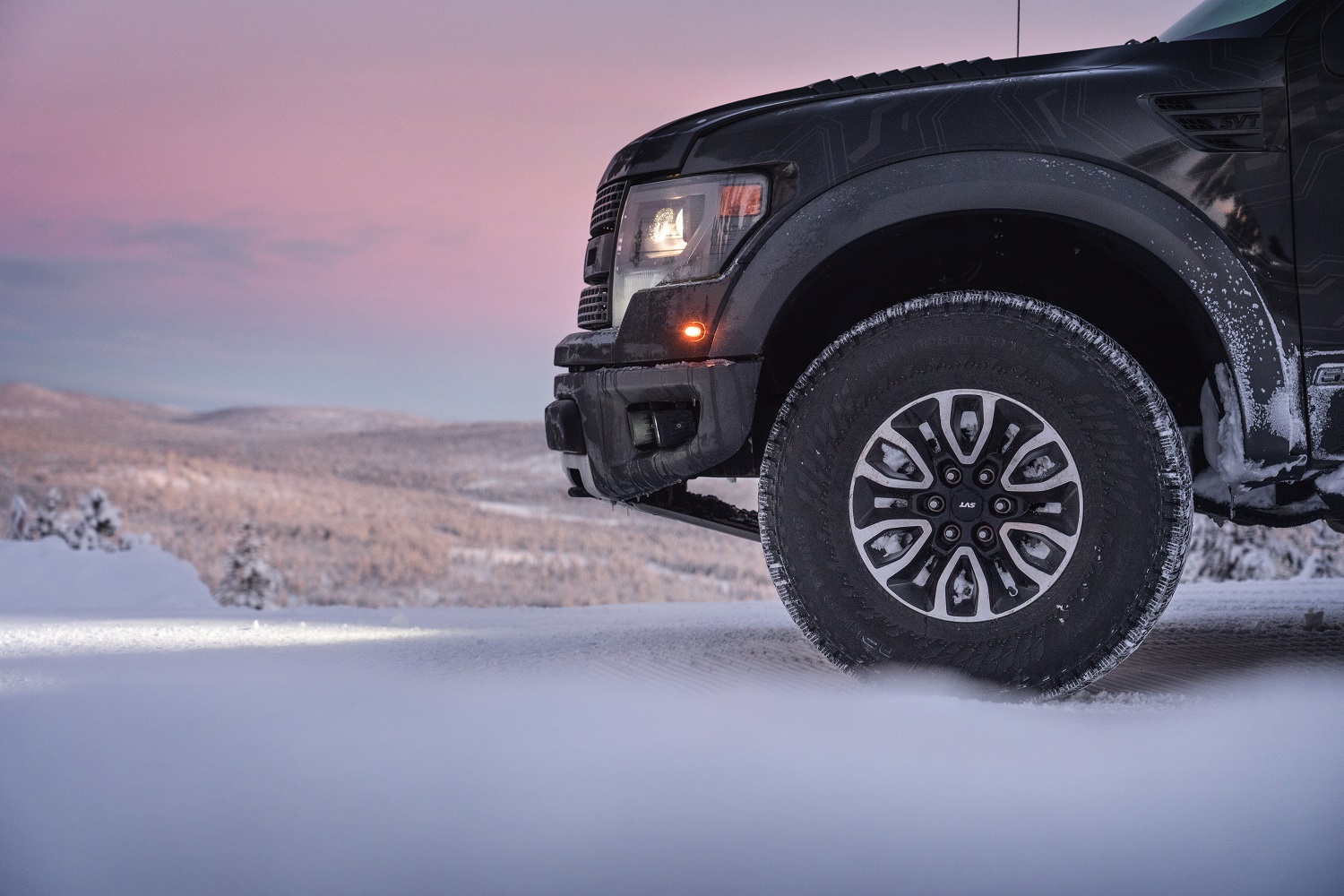
The SUV-specific version of Nokian's flagship winter tire brings Finnish engineering excellence to heavier vehicles. Since 1932, Nokian has pioneered winter tire technology, literally inventing the winter tire category. The R5 SUV features enhanced sidewall construction to handle SUV loads while maintaining the aggressive tread pattern and advanced compounds that make Hakkapeliitta tires legendary in extreme conditions. For SUV drivers who face serious winter weather, this tire represents the ultimate in studless winter performance.
Pros
- Ultimate winter performance
- SUV-specific engineering
- Finnish winter expertise
- Excellent load handling
Cons
- Highest price category
- Significant road noise
- Aggressive dry wear
- Reduced fuel efficiency
9. Dunlop Winter Maxx SJ8 - Budget-Friendly Reliability

The Winter Maxx SJ8 proves that effective winter tires don't always require premium pricing. This light truck and SUV tire delivers solid winter performance at a more accessible price point without sacrificing essential safety characteristics. Previous generation testing showed braking performance that nearly matched premium competitors, making this tire an excellent choice for cost-conscious drivers who still demand reliable winter traction. The Winter Maxx provides dependable performance for drivers who face regular winter conditions but don't need ultimate extreme-weather capability.
Pros
- Excellent value pricing
- Solid winter performance
- Good tread life
- Wide size availability
Cons
- Limited extreme condition grip
- Moderate ice performance
- Basic construction
- Higher road noise
10. Cooper Discoverer True North - Versatile All-Vehicle Option

The Discoverer True North stands out as one of the few winter tires designed from the ground up to serve both cars and SUVs equally well. Cooper's highest silica content winter compound provides impressive ice-digging capability, while the versatile tread pattern adapts to various vehicle weights and driving conditions. Real-world testing, including successful navigation of California's challenging Donner Pass without chains, demonstrates this tire's capability in serious mountain conditions. The True North offers excellent value for multi-vehicle households or drivers seeking one tire solution for different vehicles.
Pros
- Universal vehicle compatibility
- High silica compound
- Mountain-tested performance
- Competitive pricing
Cons
- Compromise design approach
- Moderate premium performance
- Limited extreme size range
- Average tread life
11. Pirelli P Zero Winter SUV - Performance SUV Solution

Building upon the P Zero Winter's performance credentials, the SUV variant addresses the specific needs of performance-oriented SUVs and crossovers. This tire improves deep-snow traction and braking performance over its predecessor while maintaining near-summer-tire levels of dry-weather capability. The P Zero Winter SUV appeals to drivers who want their SUV to handle winter conditions without completely sacrificing the engaging driving dynamics they expect from their vehicle. Advanced construction techniques ensure durability under the increased loads and stresses of SUV driving.
Pros
- Performance SUV optimization
- Superior dry handling
- Improved snow capability
- Reduced compromise design
Cons
- Premium performance pricing
- Limited extreme weather grip
- Performance-focused sizing
- Specialized application
Essential Winter Tire Buying Considerations
Selecting the right winter tires requires understanding your specific driving conditions and vehicle requirements. All legitimate winter tires display the three-peak mountain snowflake (3PMSF) symbol, indicating they meet severe snow service requirements. Vehicle-specific sizing is crucial – larger typically means more expensive, but performance characteristics vary significantly across brands and models. Professional recommendations strongly favor purchasing winter tires mounted on dedicated wheels, eliminating seasonal changeover costs and hassle while ensuring optimal performance when conditions deteriorate. Remember that winter tires should always be installed in complete sets of four for balanced handling and maximum safety. Traditional pricing tools can help estimate costs, but real-world negotiation through community-driven platforms often yields better deals on both tires and installation services.
Ready to Find Your Perfect Winter Tires?
Join thousands of smart car buyers using Carma's community insights to negotiate better deals on winter tires and vehicle accessories. Get real pricing data from actual buyers in your area.
Frequently Asked Questions
Do I really need winter tires or are all-season tires enough?
Winter tires are essential if you regularly drive in snow, ice, or temperatures below 45°F. While all-season tires handle light winter conditions, they use harder rubber compounds that stiffen in cold weather, reducing traction. Winter tires use specialized compounds that remain flexible in freezing temperatures, combined with aggressive tread patterns featuring thousands of biting edges. Think of it like wearing snow boots versus sneakers in winter – both work, but one provides dramatically better safety and performance when conditions get serious.
How much should I expect to spend on a set of winter tires?
Winter tire costs vary significantly based on vehicle size, brand, and performance level. Budget options typically range from $400-600 for a set of four, mid-range tires cost $600-1000, while premium brands can exceed $1200-1500. Larger vehicles like trucks and SUVs generally require more expensive tires. Additional costs include mounting, balancing, and potentially purchasing separate wheels (recommended). Many drivers find the investment worthwhile considering improved safety, reduced accident risk, and potential insurance savings. Community-driven pricing platforms often reveal significant savings opportunities compared to traditional retail pricing.
Should I buy winter tires on separate wheels or swap them seasonally?
Purchasing winter tires mounted on dedicated wheels is strongly recommended by automotive experts. This approach eliminates seasonal mounting and dismounting costs (typically $40-80 twice yearly), prevents tire damage from repeated mounting, and ensures you're always ready when weather changes. The initial investment in additional wheels (usually $300-800) pays for itself within 2-3 seasons through saved labor costs. More importantly, dedicated wheels make seasonal changes quick and convenient, encouraging timely installation when conditions demand winter tires for maximum safety.
When should I install winter tires and when should I remove them?
Install winter tires when daytime temperatures consistently drop below 45°F, typically October through November in most northern climates. Don't wait for the first snow – winter tires provide benefits in cold dry conditions too. Remove them when spring temperatures consistently exceed 50°F, usually March through April. Extended warm-weather use accelerates winter tire wear since the soft compounds aren't designed for hot pavement. Many drivers use the 'Halloween to Easter' rule as a general guideline, adjusting based on local climate patterns and seasonal temperature trends.
Ready to save on your next car?
Join the Carma community and get access to real deal data from thousands of car buyers.