
Why Snow Chains Are Essential for Winter Safety
When winter weather strikes and roads become treacherous, snow chains transform your regular tires into powerful traction tools. Whether you're heading to mountain destinations or navigating unexpected snow conditions, knowing how to properly install and use snow chains can mean the difference between reaching your destination safely and being stranded. This comprehensive guide will walk you through everything you need to know about selecting, installing, and driving with snow chains, ensuring you're prepared for whatever winter throws your way.
Essential Pre-Trip Preparation
The worst time to learn snow chain installation is when you're parked on a snowy roadside with traffic rushing past. Before your first winter trip, practice installing your chains in comfortable conditions - preferably in your garage or a dry parking area. This practice session lets you verify you have the correct size chains and familiarize yourself with the installation process. Additionally, assemble a winter emergency kit containing waterproof gloves, extra layers, a headlamp or flashlight, and any tools you might need. Store this kit along with your chains in an easily accessible location in your vehicle.
Choosing the Right Chains for Your Vehicle
Modern quick-fit chains have revolutionized winter driving preparation, offering significantly easier installation compared to traditional cable chains. When selecting chains, you'll need to know your exact tire size, which is printed on the sidewall of your tires. The size includes three numbers: tire width, aspect ratio, and wheel diameter (for example, 225/65R17). Different vehicle types have specific chain requirements - front-wheel drive vehicles need chains on the front tires, rear-wheel drive vehicles require rear tire chains, and all-wheel drive systems may have specific manufacturer recommendations that you should verify in your owner's manual.
Step-by-Step Chain Installation Process
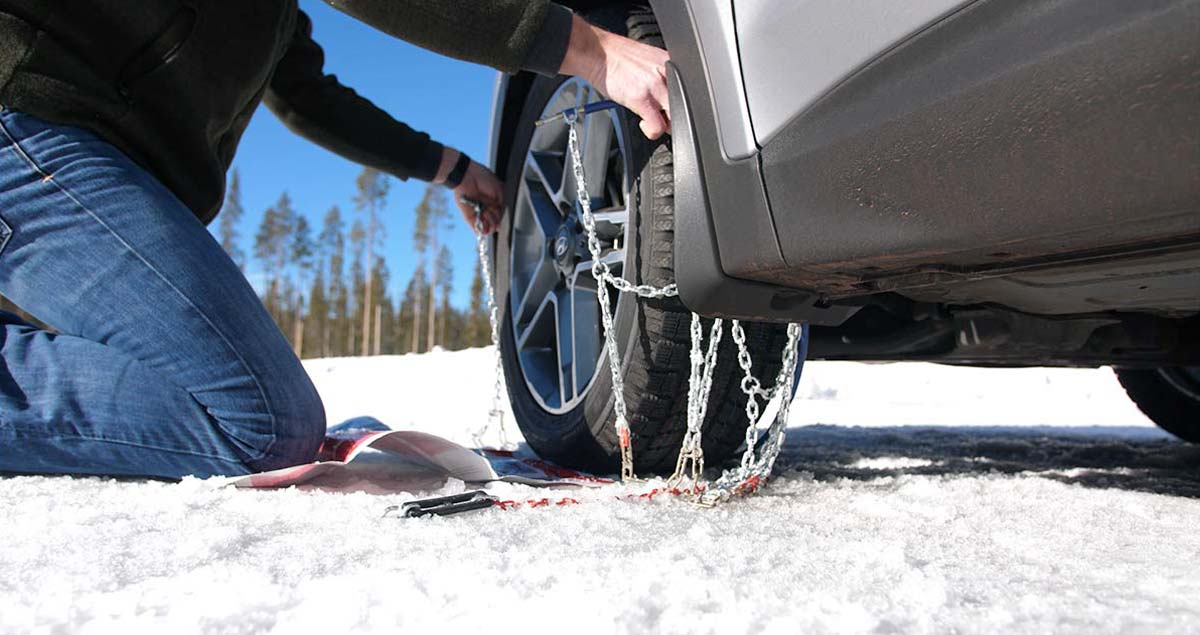
When conditions require chains, find the safest possible location to pull over, activate your hazard lights, and put on your protective gear. Begin by identifying which tires need chains based on your vehicle's drive system. Remove one chain set from the package along with the instruction sheet, which often doubles as a clean kneeling surface. Untangle the chains carefully, ensuring the metal hooks face away from you to prevent tire damage. The chains typically have color-coded ends - hold them so one colored end is in each hand with the chain hanging in a 'U' shape. Position the chains on the ground behind your tire, then drive forward slightly so the tire sits on top of the chains. Pull both ends of the chain up and over the tire, connecting the cable ends at the top of the wheel.
Securing and Adjusting Your Chains
Once the main cable is connected, locate the tensioning system - usually a red hook and chain assembly opposite the cable connection. Connect this hook to the appropriate link to create initial tension. Most modern chains feature a bottom tensioning system with a draw chain and bungee mechanism. Thread the draw chain through the guide mechanism and pull as tight as possible by hand, allowing the chain to lock into the guide's notch. Use the bungee portion to secure the excess chain to prevent it from flapping. After installing chains on both required tires, drive forward about 15 feet to allow the chains to settle and adjust to your tire's contours. Stop and re-tighten the tensioning system to remove any slack that developed during this settling process.
Pros
- Dramatically improved traction in snow and ice conditions
- Required by law in many mountain areas during winter
- Modern quick-fit designs install much faster than traditional chains
- Significantly better stopping power on slippery surfaces
- Essential safety equipment for winter mountain travel
Cons
- Limited to maximum speeds of 25 mph or less
- Cannot be used on bare pavement without damage
- Requires roadside installation in poor weather conditions
- Additional expense and storage space requirements
- Can cause vehicle damage if improperly installed
Safe Driving Techniques with Chains
Driving with snow chains requires significant adjustments to your normal driving habits. Never exceed 25 mph, as higher speeds can damage both the chains and your vehicle's suspension components. Listen carefully for unusual sounds - any metal-on-metal contact or slapping noises indicate a problem that requires immediate attention. Avoid sudden acceleration, braking, or steering inputs that could cause wheel spin or lock-up. Drive smoothly and predictably, allowing extra following distance and time for all maneuvers. Remember that chains are designed exclusively for snow and ice - driving on bare pavement will quickly destroy the chains and potentially damage your tires or vehicle.
Proper Chain Removal and Storage
When road conditions improve and chains are no longer needed, remove them as soon as it's safe to do so. Find a secure location away from traffic, reverse the installation process by disconnecting the tensioning system first, then the main cable connection. Once chains are completely removed, drive forward or backward a few feet to clear the chain area before collecting them from the ground. After your trip, allow chains to dry completely before storage to prevent rust formation. Inspect them for wear, particularly if you drove on any bare pavement. Look for flattened links or sharp edges that could damage tires during future use. Replace worn chains before your next winter trip.
Ready for Winter Adventures?
Before hitting the snowy roads, make sure you have the right vehicle for winter conditions. Explore our community-driven platform to find the best deals on winter-ready vehicles.
Frequently Asked Questions
What's the difference between snow chains and cables?
Snow chains feature heavy-duty metal links that provide maximum traction in severe conditions, while cable chains use aircraft cable with metal cross-pieces and are lighter and easier to handle. Traditional chains offer superior grip in deep snow and ice but are more difficult to install. Cable chains work well for occasional use and lighter snow conditions. Quick-fit chains represent the newest technology, combining ease of installation with effective traction performance through innovative tensioning systems and simplified connection methods.
Can I install snow chains on any tire size?
Snow chains must match your specific tire size exactly, and you also need adequate clearance around your wheel wells and suspension components. Check your tire sidewall for the complete size designation (like P225/65R17) and purchase chains designed for that exact size. Some vehicles, particularly those with low-profile tires or tight wheel well clearances, may not be compatible with any chains. Always consult your owner's manual and consider having a tire professional verify compatibility before purchasing chains for your vehicle.
How fast can I drive with snow chains installed?
The maximum safe speed with snow chains is 25 mph, and most manufacturers recommend staying closer to 15-20 mph when possible. Exceeding this speed limit can cause chain failure, tire damage, or suspension component damage from excessive vibration and stress. Higher speeds also increase the risk of chains breaking loose and potentially wrapping around brake lines or other critical components. Remember that chains are temporary safety devices designed for getting through difficult conditions, not for extended high-speed travel.
Which tires should I put snow chains on?
Chain placement depends entirely on your vehicle's drivetrain configuration. Front-wheel drive vehicles require chains on the front tires, rear-wheel drive vehicles need them on the rear tires, and all-wheel drive systems vary by manufacturer. Some AWD vehicles specify front tire installation, others require rear, and some may need chains on all four tires. Always consult your owner's manual for specific requirements, as incorrect placement can affect your vehicle's stability and traction control systems. When in doubt, contact your vehicle manufacturer or a qualified mechanic.
Ready to save on your next car?
Join the Carma community and get access to real deal data from thousands of car buyers.