
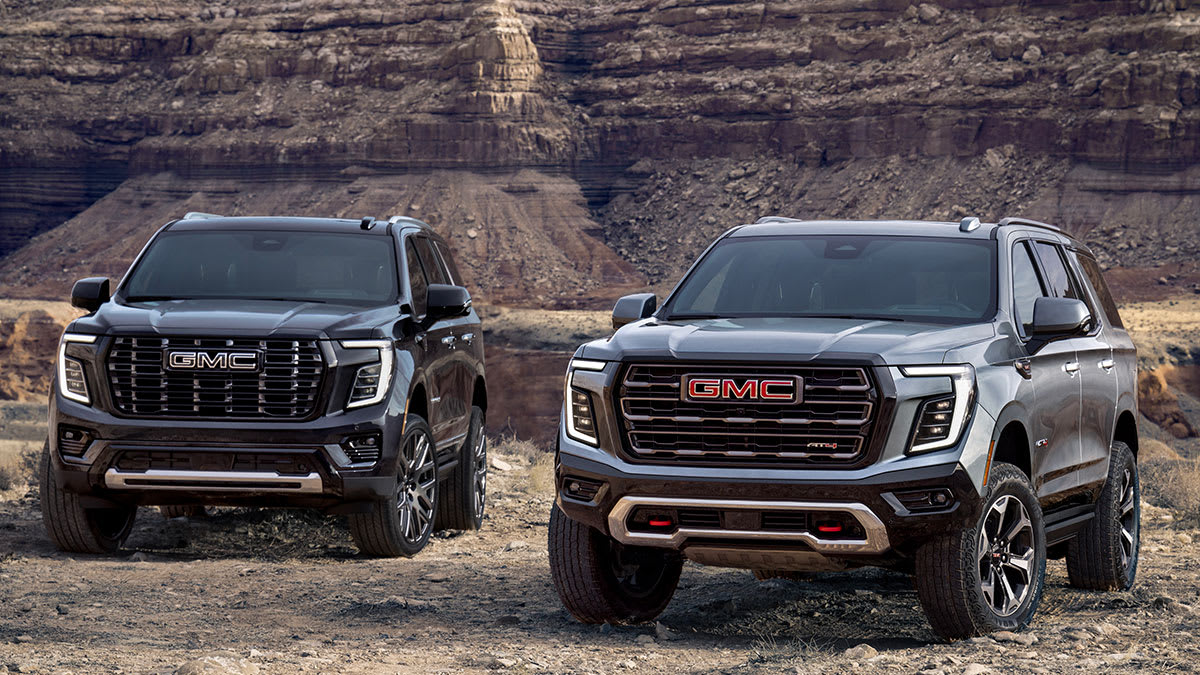
Why the GMC Yukon Remains a Smart Full-Size SUV Choice
The GMC Yukon has dominated the full-size SUV market for over three decades, offering families an impressive combination of space, capability, and premium features. Unlike many competitors who've abandoned V8 engines, the Yukon continues delivering the power and towing capacity that buyers in this segment demand. This comprehensive buying guide will walk you through each generation's strengths and weaknesses, help you identify the best model years for your budget, and provide negotiation strategies to secure the lowest possible price. Whether you're shopping for a budget-friendly older model or considering a feature-packed newer version, understanding the Yukon's evolution is crucial for making an informed purchase decision.

GMC Yukon
View ListingsPros
- Exceptional towing capacity up to 8,200 pounds
- Spacious three-row seating for large families
- Strong V8 engine options across all generations
- Premium interior materials in higher trims
- Excellent cargo space with seats folded
Cons
- Below-average fuel economy ratings
- Higher maintenance costs than smaller SUVs
- Some model years have reliability concerns
- Premium trims can exceed $100,000
- Limited maneuverability in tight spaces
Current Generation (2021-Present): Modern Luxury Meets Traditional Capability
The fifth-generation Yukon represents the most significant redesign in the model's history, introducing independent rear suspension for improved ride quality and increased cargo space. The standout feature is the available 3.0-liter turbocharged diesel engine, delivering better fuel economy without sacrificing towing capability. Technology highlights include a massive 16.8-inch infotainment screen (2025+ models), Google integration, and GM's Super Cruise hands-free driving system on Denali Ultimate trims. The AT4 trim targets off-road enthusiasts with specialized 4WD systems and enhanced ground clearance. However, early reliability reports suggest waiting for 2023+ models if possible, as initial production years experienced some quality control issues. Pricing starts around $72,000 new, with used examples beginning at approximately $38,000 for respectable mileage.
Fourth Generation (2015-2020): The Sweet Spot for Value Buyers
The fourth-generation Yukon strikes an excellent balance between modern features and affordability, making it particularly attractive for budget-conscious buyers. The 2016+ models are essential if you want smartphone integration, as Apple CarPlay and Android Auto weren't available earlier. Avoid 2015 models due to widespread electrical issues, particularly with taillights and other lighting systems. The 2018 refresh brought subtle improvements, while 2020 models represent the generation's peak reliability and feature set. Key advantages include fold-flat seating, improved sound deadening, and available Bose audio systems. Pricing ranges from $16,000-$20,000 for higher-mileage examples to $29,000-$45,000 for well-maintained 2020 models. The 2020 model year also marked the final availability of adjustable pedals, an important consideration for some buyers.
Third Generation (2007-2014): Budget-Friendly Reliability Champion
This generation offers exceptional value for money, particularly the 2010-2012 model years which consistently rank high in owner satisfaction surveys. The 2007 model year should be avoided due to significant powertrain issues, including excessive oil consumption problems. The highlight of this generation was the available hybrid system (2008-2013), delivering impressive 20 mpg city and highway ratings - remarkable for a full-size SUV. The 2012 model year stands out as the sweet spot, combining proven reliability with modern conveniences like backup cameras and USB connectivity. Expect to pay $6,000-$16,000 depending on condition and mileage, making this an excellent choice for families needing maximum space on a tight budget. The refined ride quality and improved interior materials make these models feel more premium than their age suggests.
Second Generation (2000-2006): Classic SUV Value
The second-generation Yukon offers old-school SUV character at bargain prices, typically ranging from $3,000-$7,000. These models introduced important safety features like side-impact airbags and stability control systems. The 2003 model year experienced notable engine problems and should be avoided by reliability-focused buyers. Instead, consider 2002 or 2006 models, which demonstrate the fewest owner complaints and most dependable operation. Key features include available sunroofs, premium Bose audio systems, and the introduction of OnStar connectivity. While lacking modern conveniences like smartphone integration, these Yukons excel at basic SUV duties: hauling passengers and cargo while providing reasonable comfort. Maintenance costs remain manageable due to the simplicity of older systems and widespread parts availability.
First Generation (1992-1999): Collector Appeal and Truck-Based Durability
The original Yukon holds historical significance as GMC's first purpose-built large SUV, initially offered only in two-door configuration. Four-door models became available in 1995, significantly improving practicality for family use. The truck-based platform provides exceptional durability and towing capability, though ride quality suffers compared to modern standards. The 1996 engine update added crucial power and efficiency improvements, making it the minimum recommended model year. These early Yukons appeal primarily to collectors and enthusiasts who appreciate their rugged simplicity and classic SUV styling. Pricing varies widely based on condition and rarity, with well-maintained examples commanding premium prices due to their increasing collectibility.
Expert Negotiation Strategies for GMC Yukon Buyers
Successful Yukon negotiation requires understanding model-specific issues and market positioning. Research common problems for your target year using community-driven pricing data to identify fair market values. Focus negotiations on total out-the-door pricing rather than monthly payments to avoid costly financing manipulation. For newer models, emphasize warranty coverage and certified pre-owned benefits. When considering older generations, factor potential repair costs into your offer, particularly for known issues like transmission problems in early fourth-generation models. Timing matters significantly - shop during model year transitions and seasonal low-demand periods for maximum leverage. Always obtain pre-purchase inspections for vehicles over five years old, as repair costs can quickly exceed purchase savings.
Find Your Perfect GMC Yukon Deal Today
Use Carma's community-driven pricing data to discover GMC Yukon deals in your area. Compare real-world prices, avoid overpaying, and negotiate with confidence using our transparent market insights.
Frequently Asked Questions
What are the most reliable GMC Yukon model years to buy?
The most reliable GMC Yukon model years are 2012 (third generation), 2018, and 2020 (fourth generation), and 2023+ (fifth generation). The 2012 model offers exceptional value with proven reliability and owner satisfaction ratings. The 2020 model represents the peak of fourth-generation refinement with modern features like Apple CarPlay. For newer models, 2023+ versions show improved quality control over earlier fifth-generation models. Industry experts consistently recommend these years based on comprehensive reliability studies and owner satisfaction surveys.
Which GMC Yukon years should I avoid when buying used?
Avoid the 2007 and 2015 GMC Yukon model years due to significant reliability issues. The 2007 model, being the first year of a new generation, suffered from powertrain problems including excessive oil consumption that led to expensive engine repairs. The 2015 model experienced widespread electrical problems, particularly with taillights and other lighting systems. The 2003 model also had notable engine issues. These first-year-of-generation models typically have the most problems as manufacturers work through initial design and production issues.
How much should I budget for a reliable used GMC Yukon?
Budget expectations vary significantly by generation and condition. For excellent value, consider third-generation models (2010-2014) ranging from $9,000-$16,000, with 2012 models offering the best reliability at around $9,000-$12,000. Fourth-generation Yukons (2016-2020) typically cost $20,000-$45,000, with 2020 models representing the premium end. Current-generation models start around $38,000 for decent mileage examples. Factor in additional costs for maintenance, as full-size SUVs generally require higher service expenses than smaller vehicles. Consider certified pre-owned options for newer models to ensure warranty coverage.
What's the difference between GMC Yukon trim levels?
GMC Yukon trim levels progress from basic SLE to luxury Denali Ultimate, with significant feature and pricing differences. SLE provides essential features with available 4WD, while SLT adds comfort amenities like heated seats and premium audio. The AT4 focuses on off-road capability with specialized 4WD systems and enhanced ground clearance. Denali trims offer luxury features including premium leather, advanced technology, and powerful 6.2L V8 engines. Denali Ultimate represents the flagship with features like Super Cruise, premium audio systems, and exclusive styling elements. Each trim level targets different buyer priorities from basic utility to luxury comfort.
Ready to save on your next car?
Join the Carma community and get access to real deal data from thousands of car buyers.