
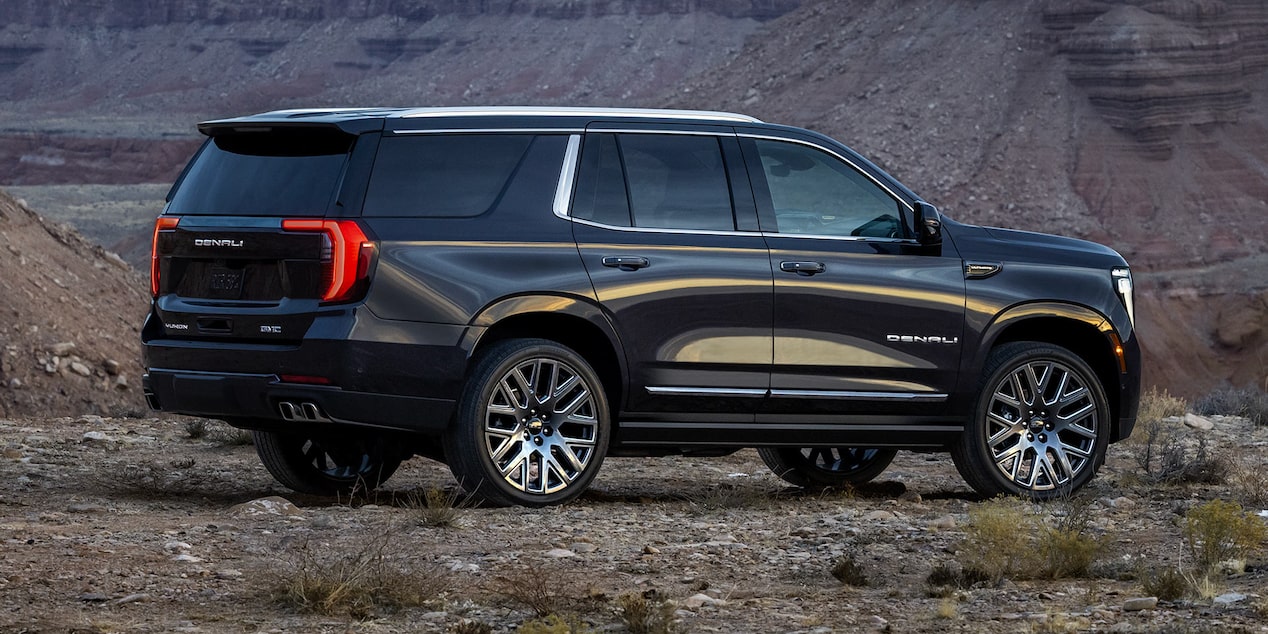
Why This GMC Yukon XL Guide Matters for Your Wallet
The GMC Yukon XL represents one of the largest SUV investments you can make, with prices ranging from under $20,000 for high-mileage older models to over $70,000 for new Denali trims. This comprehensive guide reveals which model years deliver the best value, which generations to avoid, and how community-driven pricing data helps you negotiate better deals. You'll learn about four distinct generations spanning over two decades, each with unique strengths and weaknesses that directly impact your ownership costs.

GMC Yukon XL
View ListingsUnderstanding GMC Yukon XL Value Generations
The Yukon XL evolved through four major generations since 2000, each offering different value propositions. The current fourth generation (2021-present) introduces independent rear suspension and diesel engine options, commanding premium prices. Third-generation models (2015-2020) offer modern features at mid-range prices but require careful engine selection. Second-generation vehicles (2007-2014) provide solid reliability with improved V8 engines, while first-generation models (2000-2006) deliver proven durability at budget-friendly prices.
Best Value Years: Where Smart Buyers Focus
Industry experts consistently recommend 2008-2013 model years as the sweet spot for reliability and value. These second-generation vehicles feature refined powertrains without the complexity of newer systems. First-generation models from 2003-2006 also prove excellent for budget-conscious buyers, often available with high mileage that demonstrates exceptional durability. For newer options, 2021+ models with the 3.0L Duramax diesel engine offer superior fuel economy but require higher upfront investment.
Pros
- Exceptional towing capacity up to 8,400 pounds
- Genuine three-row seating with adult-friendly third row
- Multiple powertrain options including efficient diesel
- Strong resale value compared to competitors
- Proven durability with many high-mileage examples
Cons
- Poor fuel economy with standard V8 engines
- Higher maintenance costs than car-based crossovers
- Limited cargo space when third row is in use
- Truck-based ride quality in older generations
- Premium pricing for well-equipped trim levels
Avoiding Problem Years: Red Flags That Cost Money
Automotive researchers identify 2007 and 2015 as particularly troublesome model years to avoid. The 2007 marked a new generation launch with typical first-year issues, while 2015 models show statistically higher problem rates. Additionally, any third-generation model with the 6.2L V8 engine or eight-speed automatic transmission experiences more frequent issues than base 5.3L variants. Heavy-duty 2500 models with the massive 8.1L V8 engine deliver poor fuel economy and harsh ride quality unless you specifically need extreme towing capability.
Smart Shopping: Trim Levels and Feature Priorities
SLE and SLT trim levels typically offer the best value proposition, providing essential features without luxury markups. These models often include the more reliable base 5.3L V8 engine and simpler six-speed transmissions. Denali trims command premium prices but may depreciate faster, creating opportunities for savvy used buyers. The AT4 trim added in 2021 targets off-road enthusiasts but may not suit typical family hauling needs. Focus on mechanical reliability over luxury features to maximize long-term value.
Powertrain Strategy: Choosing Engines That Last
The standard 5.3L V8 engine proves most reliable across all generations, with simpler design and lower stress levels than larger alternatives. This engine typically delivers adequate performance for most buyers while offering better reliability statistics. The optional 3.0L Duramax diesel, available from 2021, provides exceptional fuel economy (27 mpg highway) but requires diesel fuel costs and specialized maintenance. Avoid the 6.2L V8 in third-generation models unless you specifically need maximum towing capability and accept higher repair risks.
Using Community Data to Negotiate Better Deals
Traditional pricing tools often miss real-world transaction data that determines actual market values. Community-driven platforms reveal what buyers actually pay versus advertised prices, exposing opportunities for negotiation. Look for high-mileage examples that demonstrate reliability – many Yukon XLs exceed 200,000 miles with proper maintenance. Regional pricing variations can be significant, so expand your search radius when hunting for specific configurations. Document maintenance records carefully, as they strongly influence resale value in this segment.
Find Your Ideal GMC Yukon XL Deal
Access real-world pricing data and connect with our community of buyers to negotiate the best possible deal on your next GMC Yukon XL.
Frequently Asked Questions
What are the most reliable GMC Yukon XL model years?
The most reliable GMC Yukon XL years are typically 2008-2013 from the second generation, featuring refined V8 engines and proven six-speed automatic transmissions. First-generation models from 2003-2006 also demonstrate excellent reliability, with many examples exceeding 200,000 miles. These years offer the best balance of modern features and mechanical simplicity, reducing long-term maintenance costs while providing dependable family transportation.
Should I avoid any specific GMC Yukon XL years?
Yes, avoid 2007 and 2015 model years, which show higher problem rates according to automotive researchers. The 2007 was the first year of a new generation with typical launch issues, while 2015 models have statistically more reliability problems. Additionally, third-generation models (2015-2020) with 6.2L V8 engines or eight-speed transmissions experience more frequent issues than base 5.3L variants with six-speed transmissions.
What's the difference between Yukon XL trim levels for value?
SLE and SLT trims typically offer the best value, including essential features without luxury markups. These base trims usually come with the reliable 5.3L V8 engine and simpler transmissions. Denali trims command premium prices but may depreciate faster, creating used car opportunities. The AT4 off-road trim added in 2021 targets specific buyers but may not suit typical family needs. Focus on mechanical reliability over luxury features for maximum long-term value.
Is the GMC Yukon XL diesel engine worth the extra cost?
The 3.0L Duramax diesel engine (available 2021+) provides exceptional fuel economy – up to 27 mpg highway versus 20 mpg for the standard V8. However, it requires higher upfront costs, diesel fuel pricing, and specialized maintenance. The diesel makes financial sense for high-mileage drivers or those prioritizing fuel efficiency, but casual users may not recoup the premium through fuel savings alone. Consider your annual mileage and local diesel prices when evaluating this option.
How does the GMC Yukon XL compare to competitors for value?
The Yukon XL offers superior third-row space and cargo capacity compared to most competitors, with stronger towing capability than car-based alternatives. It typically holds value better than Ford Expedition Max and provides more interior room. However, it delivers worse fuel economy than most competitors and has higher maintenance costs due to truck-based construction. The Yukon XL excels for buyers who need maximum space and capability but may not suit those prioritizing efficiency or ride comfort.
Ready to save on your next car?
Join the Carma community and get access to real deal data from thousands of car buyers.